Cold stores, chilled production areas and washdown environments can be challenging places for packaging machinery.
Low temperatures, moisture, condensation and regular cleaning can all put additional strain on equipment. So, if your production process operates in these conditions, can automated strapping, wrapping or other end-of-line packaging machinery still be used effectively?
The short answer is yes – provided the equipment is correctly specified for the environment.
Choosing machinery designed for the conditions it will operate in is essential. The materials used, protection of electrical and mechanical components, positioning of the machine and ongoing maintenance can all have a significant impact on reliability and performance.
In this blog, we look at what businesses should consider when choosing end-of-line packaging equipment for cold, wet or frequently cleaned production environments.
Why are cold and wet environments challenging for packaging machinery?
Standard industrial environments are usually relatively dry and operate within a consistent temperature range.
Cold storage and washdown areas are different.
Equipment may have to contend with:
- Low operating temperatures
- High levels of humidity
- Condensation
- Water and spray
- Frequent cleaning
- Cleaning chemicals
- Salt, oils or product residue
- Regular movement between different temperatures
Over time, these conditions can increase the risk of corrosion and affect electrical components, sensors and moving parts if the equipment has not been designed or adapted for them.
This makes it important to consider the environment at the very beginning of the machinery specification process rather than simply selecting a standard packaging machine based on speed or capacity.
Can packaging machinery operate in cold storage?
Yes. End-of-line packaging machinery can operate successfully in cold storage and chilled environments, but the exact operating conditions need to be considered before installation.
One of the biggest challenges is not always the cold temperature itself, but changes in temperature.
For example, equipment or products moving between a cold store and a warmer production area can result in condensation forming. Moisture can then reach sensitive components if they are not adequately protected.
The performance of consumables can also be affected by temperature. Stretch film and plastic strapping need to maintain the right strength, flexibility and tension to secure products effectively.
When specifying equipment for a cold environment, factors to consider include:
- The minimum and maximum operating temperature
- Whether temperatures remain constant
- Levels of condensation and humidity
- How products enter and leave the area
- The type of strapping or wrapping material being used
- Protection required for electrical components and sensors
- How frequently the machinery will be cleaned
Providing this information early allows the packaging machinery supplier to recommend a solution suited to the actual production environment.
What about washdown environments?
Washdown environments require additional consideration because machinery may regularly be exposed to moisture, spray and cleaning products.
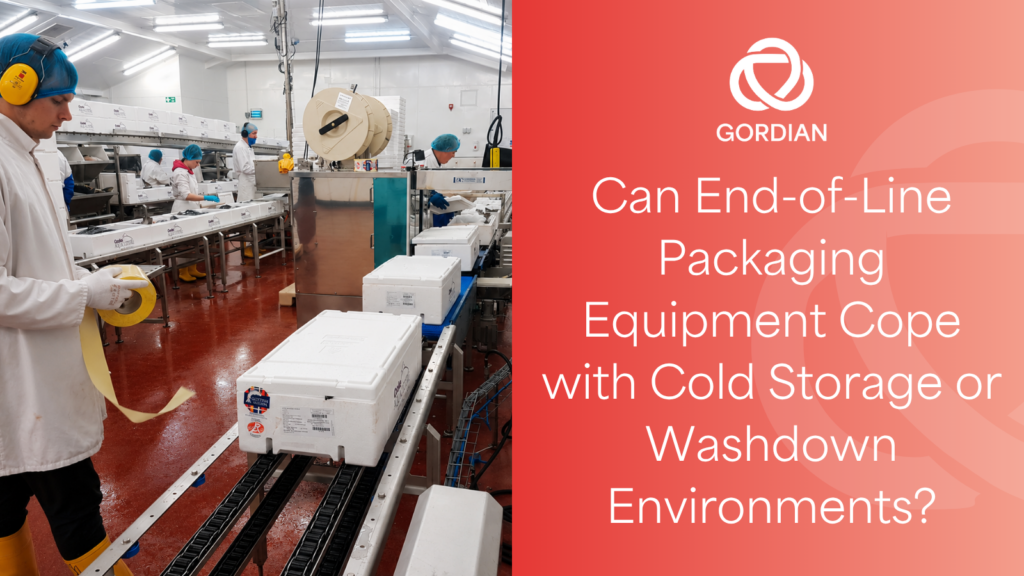
This is particularly common in food processing industries, including meat, poultry, fish and seafood production, where maintaining clean production areas is an important part of everyday operations.
For these applications, stainless-steel construction can provide greater resistance to moisture and corrosion than standard machine finishes.
Other features that can help equipment perform reliably in demanding environments include:
- Fully enclosed cabinets
- Sealed bearings
- Protected electrical components
- Corrosion-resistant materials
- Side-mounted sealing heads
- Designs that minimise exposure of critical components to moisture and residue
Gordian Strapping supplies stainless-steel strapping machines designed for moisture-laden food-processing environments. However, it is important to distinguish between machinery that is suitable for a wet environment and machinery that can withstand a particular washdown procedure.
The pressure, temperature and direction of water, as well as the cleaning chemicals being used, should all be discussed before equipment is selected. A machine should never be assumed to be suitable for direct high-pressure washdown unless it has been specifically designed and specified for that cleaning regime.
Does stainless steel make a difference?
In many cold, wet and food-processing environments, yes.
Stainless steel offers good resistance to corrosion and is therefore commonly used where machinery is exposed to moisture. But specifying equipment for a challenging environment involves more than simply changing the machine frame to stainless steel.
Sensitive components still need suitable protection. Bearings, controls, motors, sensors and sealing mechanisms all need to be considered alongside the construction of the machine itself.
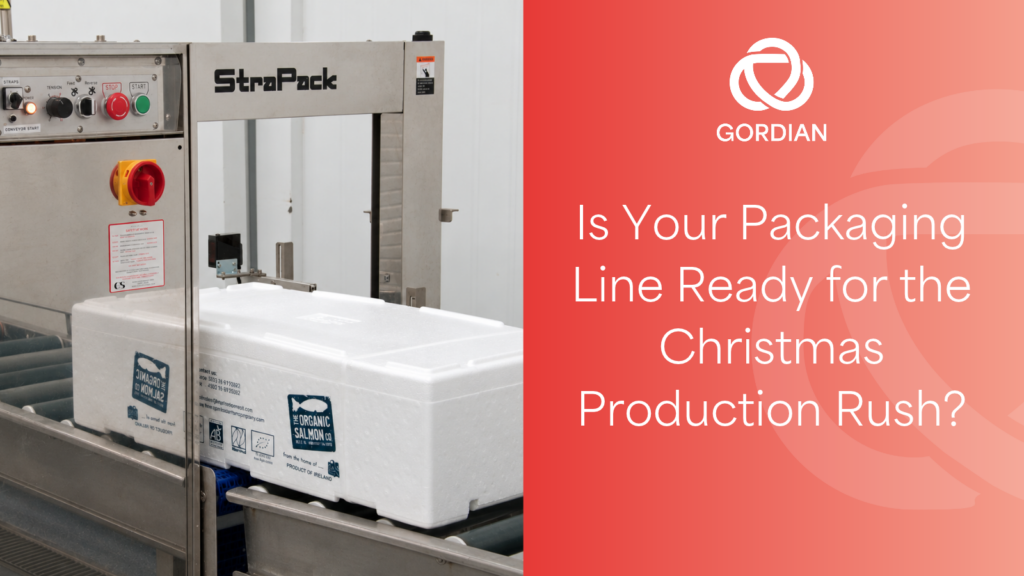
For example, the StraPack AQ-7MV18 available from Gordian features stainless-steel construction, a fully enclosed cabinet and a side-mounted sealing head designed to provide additional protection from moisture, salt water, oil and residue.
It is this combination of features that can make specialist machinery much better suited to harsh production environments.
Will cold or moisture affect packaging materials?
It can. The packaging machine is only one part of an effective end-of-line process. The strapping or stretch film also needs to suit the conditions in which the product is being packed, stored and transported.
Temperature can influence the way some materials stretch, recover and maintain tension, while moisture and condensation may affect how a load behaves during handling and storage.
When selecting packaging materials, consider:
- Storage temperature
- Product weight
- Load stability
- Length of time products remain in cold storage
- Whether products will move between chilled and ambient environments
- Moisture levels
- Transportation conditions
Maintenance becomes even more important
Preventative maintenance is important for any automated packaging system, but it becomes particularly valuable when machinery is working in demanding conditions.
Cold, moisture and frequent cleaning can increase the importance of regularly inspecting machinery for early signs of wear or corrosion.
Operators should also follow the recommended cleaning and maintenance procedures for the specific machine. A planned servicing programme can help identify potential problems before they result in breakdowns, helping businesses reduce unexpected downtime and maintain consistent packaging performance.
For machinery operating in particularly demanding or high-use environments, servicing requirements may also be more frequent than for equipment working in standard conditions.
Choosing the right equipment for demanding environments
Cold storage and washdown conditions do not prevent businesses from automating their end-of-line packaging processes. The key is choosing equipment designed around the environment in which it will operate.
At Gordian Strapping, we work closely with customers to understand their production process, site conditions, throughput and packaging requirements before recommending a solution.
With the right specification, businesses can benefit from the speed, consistency and efficiency of automated packaging while maintaining reliable performance in challenging conditions.